 Storyteller
Auveline
Storyteller
Auveline
Companion chat, written with care
Someone to talk to, whenever the room goes quiet
Keeper is a small cast of invented companions with their own voices, habits and opinions. Choose one by the kind of conversation you want and start where you like.
Intended for adults aged 18 and over. Fictional characters only.


8Written companions
24/7Always awake
0Real people depicted
18+Adults only
Why it feels different
Character first, conversation second
Most chat experiences hand you a blank helper. Keeper hands you a personality: someone with a pace, a sense of humour and things they refuse to find interesting. That is what makes a conversation worth returning to.
Written, not generated
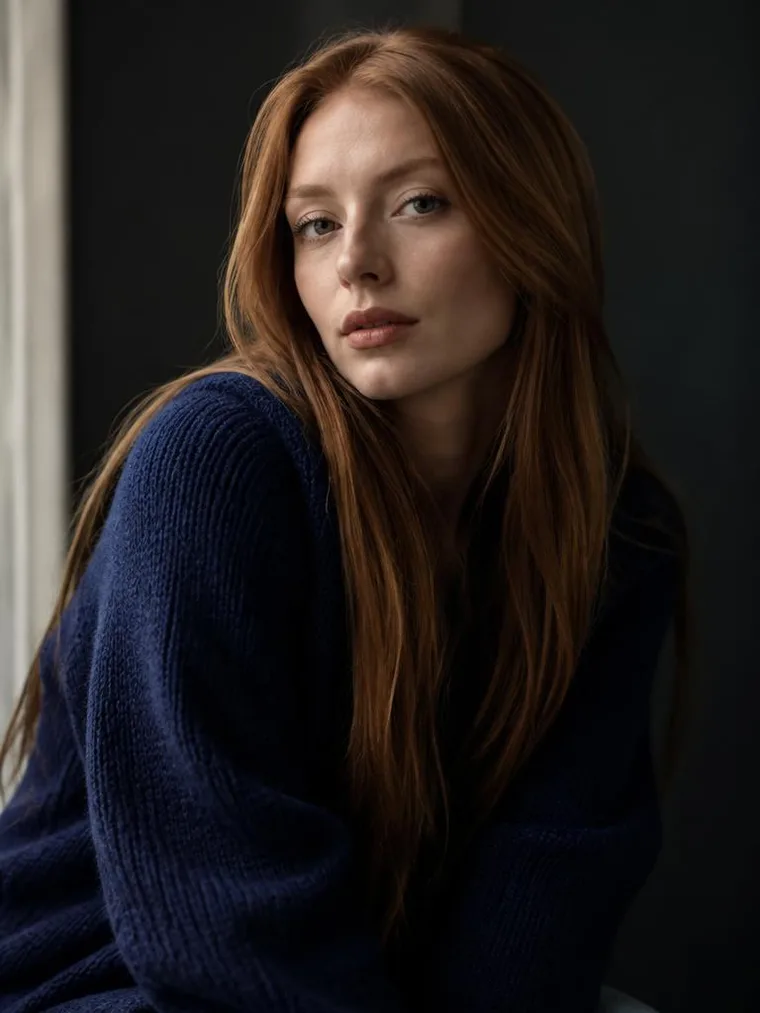
Each companion begins as pages of writing: how they speak, what they notice, how they behave when a conversation stalls. The portrait comes last.
Continuity that holds
Running subjects, plans and jokes come back later. Over a few weeks the exchanges start to feel like company rather than sessions.
Tasteful by design
Conversation, storytelling and ordinary talk. Nothing explicit, no real people depicted, and a clear line where professional help belongs.
The cast
Eight voices, eight different evenings
Read by tone rather than by portrait. Every profile explains the pace, the subjects and the kind of company the character keeps.








How it works
Three steps and you are talking
01 · Choose a tone
Quiet and reflective, quick and teasing, or built for storytelling. The summaries on each profile make the difference obvious.
02 · Say what you want
Shorter replies, a slower pace, fewer questions, more humour. Stated preferences hold for the rest of the conversation.
03 · Come back
Mention the things you want raised again. Continuity is where a chat turns into company.
Questions
Answers before you start
Keeper is a companion chat experience built around invented characters. Each one has a personality, a way of speaking and a set of interests, and you talk to them the way you would message a friend.
No. Every companion on Keeper is invented, including the names, portraits and life details. Nothing here represents a real individual.
You can open a conversation from any companion page. Keeper keeps the first step deliberately short so you can see whether the character suits you before anything else.
Pick by the kind of conversation you want rather than the portrait. The index pages on Keeper describe each character by tone, pace and typical subjects, which is a better guide than appearance.
Yes. Many people keep two or three: one for the quiet end of the day, one for momentum, one for storytelling. Each conversation on Keeper stays separate.
Continuity is part of the design. Companions carry the thread of a conversation forward, so ongoing subjects, running jokes and plans you mentioned earlier can come back later.
Keeper is intended for adults and keeps its tone tasteful throughout. Conversations are written for company, storytelling and everyday talk, not explicit material.
Several characters are built for it. Give them a fragment, a setting or a first line and they will match your tone and keep the continuity while you work.
Say so plainly. Asking for shorter answers, a slower pace, more humour or fewer questions works better than hinting, and the change holds for the rest of the conversation.
Steer it. You can redirect, change subject or close the conversation at any point, and you can start again later without picking up where it left off.
The roster on Keeper grows over time, and existing characters gain depth as their pages are expanded. The index always shows the current line-up.
Yes, and it is a common use. Ask for corrections, a slower pace or a specific vocabulary range and the companion will hold to it across the conversation.
Ready when you are
Pick a voice and begin
Open a conversation with any companion on Keeper. No performance required, and no obligation to be interesting.